
"a wide variety of"
6000 article(s) found

Species morphology of Colombian coffee bean
The main varieties of Colombian coffee are small grains of coffee. Plants are small trees or large shrubs, 5-8 m tall, usually much branched at base; old branches gray-white, nodes dilated, young branches glabrous, compressed. Leaves thinly leathery, ovate-lanceolate or lanceolate, 6-14 cm long and 3.5-5 cm wide, tip long acuminate, acuminate part 10-15 mm long, base cuneate or slightly obtuse, rarely rounded, entire or

The types and characteristics of Fine Coffee beans
Brazilian coffee: a wide variety of coffee, most of the coffee with moderate acidic characteristics, its sweet, bitter and mellow taste is neutral, moderate concentration, smooth and special taste, known as the strong coffee, but also a very good blending beans. Colombian coffee: produced in Colombia, roasted coffee beans release a sweet fragrance and have the characteristics of sweet in acid and flat in bitterness.

The characteristics of Columbia Huilan Coffee Grinding degree treatment Variety producing area Taste Manor
The main varieties of Colombian coffee are small grains of coffee. Plants are small trees or large shrubs, 5-8 m tall, usually much branched at base; old branches gray-white, nodes dilated, young branches glabrous, compressed. Leaves thinly leathery, ovate-lanceolate or lanceolate, 6-14 cm long and 3.5-5 cm wide, tip long acuminate, acuminate part 10-15 mm long, base cuneate or slightly obtuse, rarely rounded, entire or

Flavor description of Tika Coffee Taste treatment Area of origin Variety Grinding scale
Arabica is popular among Chinese people with a short history of coffee contact because of its rich fruity aroma. It was introduced to China by missionaries in the 19th century. It is widely cultivated in Panzhihua, Sichuan Province and Jinsha River dry and hot valley area with an altitude of more than 1000 meters in western Yunnan Province. The sunshine hours are long and the temperature difference between day and night is large. The local people adopt Arabica.

What are the varieties of Yunnan coffee beans? how do Yunnan small grains of coffee taste?
Professional coffee knowledge exchange more coffee bean information Please follow the coffee workshop (official Wechat account cafe_style) A long time ago, a French missionary brought coffee seeds to Yunnan from abroad and successfully planted coffee in a valley in Binchuan County, Yunnan Province. The coffee plants of this batch of coffee seeds are still blooming and bearing fruit in Binchuan County. Yunnan Coffee rules

Coffee beans make the essence of coffee coffee is healthy
Coffee beans are generally processed by factories, thus becoming the main material of ground coffee, and different varieties of coffee beans are naturally quite different in fragrance and rich taste. Coffee beans are widely grown all over the world, and people like the taste of coffee. At the same time, they expect to feel the fragrance and richness of different coffee through the grinding of coffee beans. This planting

Brazilian coffee flavor Brazilian coffee characteristics
Brazilian coffee generally refers to coffee produced in Brazil. There is a wide variety of Brazilian coffee, the vast majority of which are unwashed and sun-dried, classified according to the name of the state of origin and the port of transport. Brazil has 21 states and 17 states produce coffee, but four of them produce the largest, accounting for 98% of the country's total output. Brazilian coffee has a low sour taste, which goes well with coffee.

Brazilian coffee flavor Brazilian coffee characteristics
Brazilian coffee generally refers to coffee produced in Brazil. There is a wide variety of Brazilian coffee, the vast majority of which are unwashed and sun-dried, classified according to the name of the state of origin and the port of transport. Brazil has 21 states and 17 states produce coffee, but four of them produce the largest, accounting for 98% of the country's total output. Brazilian coffee has a low sour taste, which goes well with coffee.

Brazilian coffee flavor Brazilian coffee characteristics
Brazilian coffee generally refers to coffee produced in Brazil. There is a wide variety of Brazilian coffee, the vast majority of which are unwashed and sun-dried, classified according to the name of the state of origin and the port of transport. Brazil has 21 states and 17 states produce coffee, but four of them produce the largest, accounting for 98% of the country's total output. Brazilian coffee has a low sour taste, which goes well with coffee.

Introduction to the Flavor of Arabica Coffee Manor
Tibica coffee, which is native to Ethiopia and southeastern Sudan, is the most widely cultivated variety of coffee in the Western Hemisphere and has a higher yield in Hawaii. Hawaii Kona is on a par with Blue Mountain coffee, with a price difference of only $1 to $3. The bourbon subspecies was emigrated by French immigrants from the island of Island of Bourbon in the 18th century, today's French island of Reunion Island of R

Introduction to the flavor and taste of Colombian boutique coffee varieties
The main varieties of Colombian coffee are small grains of coffee. Plants are small trees or large shrubs, 5-8 m tall, usually much branched at base; old branches gray-white, nodes dilated, young branches glabrous, compressed. Leaves thinly leathery, ovate-lanceolate or lanceolate, 6-14 cm long and 3.5-5 cm wide, tip long acuminate, acuminate part 10-15 mm long, base cuneate or slightly obtuse, rarely rounded, entire or

How about African Ugandan coffee A brief introduction to the varieties of Ugandan coffee beans
Professional coffee knowledge exchange more coffee bean information please follow the coffee workshop (Wechat official account cafe_style) front street-Uganda Coffee introduction if Ethiopia is the birthplace of Arabica small coffee, then Uganda is the hometown of Luodou. During the colonial era, with the encouragement of the British, Uganda began to widely plant low-altitude species in Robsta.
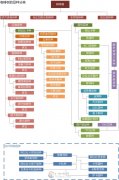
Selection of basic Coffee Tree Classification
Arabica Coffee and Variety improvement. What do the so-called families, genera and species of Arabica species mean in biological classification? In terms of biological classification, it is divided into boundary, phylum, class, order, family, genus and species from top to bottom, and the lower part of the species is subdivided into subspecies, varieties and varieties. Arabica coffee is generally thought to originate from the Ethiopian plateau and is widely divided.

Introduction to Fine Taste treatment of Coffee Bean Grinding scale varieties in Columbia Hope Manor
Columbia Hope Manor Coffee Bean Grinding scale varieties taste treatment boutique introduction Colombian coffee varieties are mainly small-grain coffee. Plants are small trees or large shrubs, 5-8 m tall, usually much branched at base; old branches gray-white, nodes dilated, young branches glabrous, compressed. Leaves thinly leathery, ovate-lanceolate or lanceolate, 6-14 cm long, 3.5-5 cm wide, tip long acuminate

What kind of coffee is Ethiopia? introduction to the origin and variety of coffee beans.
Professional coffee knowledge exchange more coffee bean information please follow the coffee workshop (Wechat official account cafe_style) front street-Ethiopian coffee beans, coffee varieties and producing areas brief introduction to most Ethiopian varieties will be named after this name, small farmers from various forests and their own back garden picked various varieties of coffee and sent to the cooperative for centralized processing, varieties can be said to be

Description of the Flavor of Coffee in Papua New Guinea introduction to the manor of the variety producing area
Papua New Guinea Coffee Flavor description Grinding scale Variety producing area Manor introduction the top coffee beans (PNG AA) in Papua New Guinea (Papua New Guinea) are as beautiful and precious as the country's national bird of paradise. As coffee is widely grown on highlands between 1300 and 1800 meters above sea level, it is usually plump and varied in taste, with pleasant acidity and fruit-like sweetness.

Description of flavor of Colombian Huilan coffee beans introduction of grinding scale in producing areas of varieties
Colombian Huilan Coffee Bean Flavor description Regional Grinding scale introduction to Colombian coffee varieties are mainly small-grain coffee. Plants are small trees or large shrubs, 5-8 m tall, usually much branched at base; old branches gray-white, nodes dilated, young branches glabrous, compressed. Leaves thinly leathery, ovate-lanceolate or lanceolate, 6-14 cm long, 3.5-5 cm wide, tip long acuminate

Description of Flavor of High-quality Coffee beans in Colombian Coffee Variety producing area
The main varieties of Colombian coffee are small grains of coffee. Plants are small trees or large shrubs, 5-8 m tall, usually much branched at base; old branches gray-white, nodes dilated, young branches glabrous, compressed. Leaves thinly leathery, ovate-lanceolate or lanceolate, 6-14 cm long and 3.5-5 cm wide, tip long acuminate, acuminate part 10-15 mm long, base cuneate or slightly obtuse, rarely rounded, entire or

Colombia Hui Lan coffee beans grinding graduation processing method taste variety origin introduction
Colombia coffee varieties are mainly small coffee. Plants are small trees or large shrubs, 5-8 meters high, usually multi-branched at the base; old branches are gray, nodes expand, young branches glabrous, compressed. Leaves thinly leathery, ovate-lanceolate or lanceolate, 6-14 cm long, 3. 5 -5 cm wide, apex long acuminate, acuminate part 10-15 mm long, base cuneate or slightly obtuse, rarely rounded, entire or rounded

Description of Coffee Flavor in Louise Manor, Panama, introduction to the characteristics of Grinding degree and the taste of varieties
The oceanic climate is a huge system that covers the entire hemisphere. Other currents in the Caribbean originate as far away as Iceland, while some east-west currents in the Pacific Ocean originate half a world away off the coasts of Japan and Indonesia. On the island of Panama, which is less than 100 kilometers wide, these global climate systems interweave and collide with each other, creating an amazing microatmosphere.